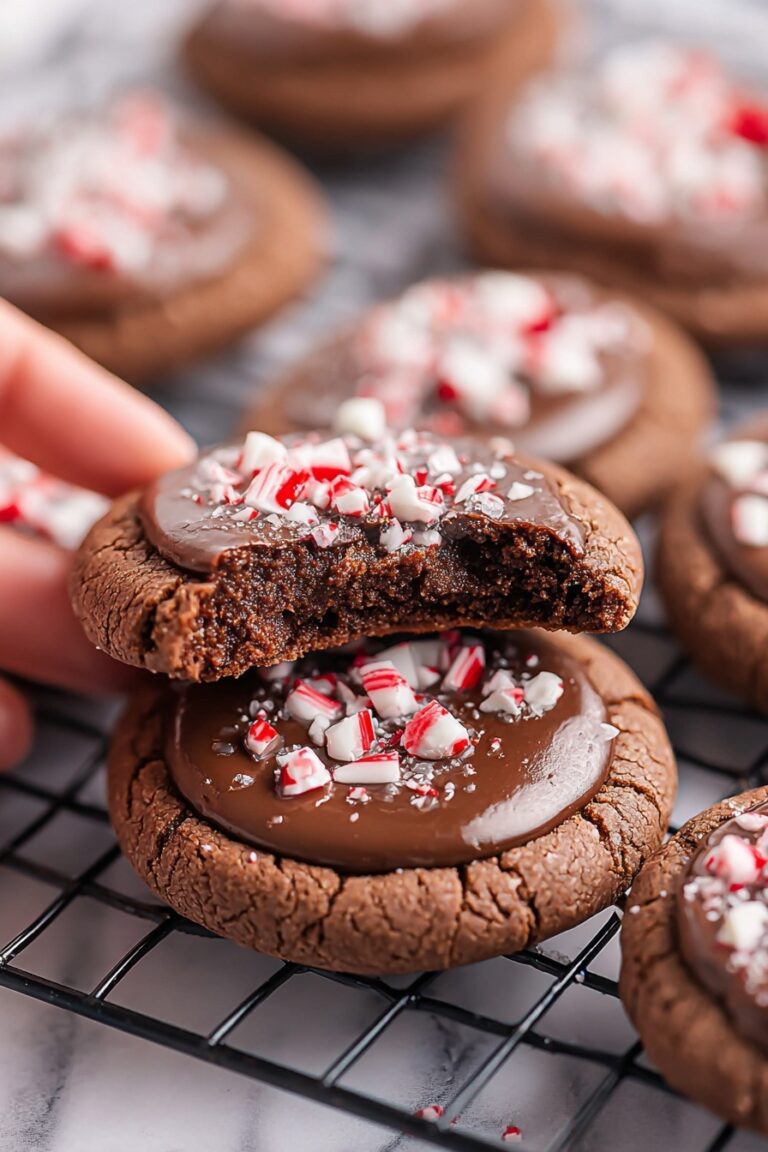

If you’re on the hunt for a cookie that strikes the perfect balance between tender and flavorful, wait until you try my amazing Buttermilk Cookies with Vanilla Frosting Recipe. These cookies have this incredible soft crumb thanks to the tangy buttermilk, and that smooth vanilla frosting on top? It’s the cherry on top of a truly comforting treat. Stick with me, and I’ll walk you through how to nail these cookies every time – trust me, they’re fan-freaking-tastic and totally worth the little time they take!

Why You’ll Love This Recipe
- Soft Buttery Texture: The buttermilk tenderizes the dough, giving your cookies a moist, melt-in-your-mouth feel.
- Classic Vanilla Frosting: Silky, smooth, and sweet without overpowering the cookies’ delicate flavor.
- Simple Ingredients: No crazy components—just staple pantry items that blend beautifully together.
- Great for Any Occasion: They’re just as perfect for a casual snack as they are for a festive treat on special days.
Ingredients & Why They Work
Every ingredient in this Buttermilk Cookies with Vanilla Frosting Recipe plays a starring role. The buttermilk adds moisture and a subtle tang, while the vanilla flavor ties everything together. Let me share some insight so you know why each element is a must-have.

- Butter: Using room temperature butter helps you cream it well with sugar, creating the base for tender cookies.
- Sugar: Sweetens the dough and helps with that delightful golden edge on your cookies.
- Eggs: Bind everything together, and add richness and moisture.
- Vanilla Extract: Infuses the dough and frosting with warm, sweet notes that enhance the overall flavor.
- Flour: The structure builder, four cups give these cookies enough heft without making them cakey.
- Baking Soda: Helps the cookies rise just right and adds a slight crispness to the edges.
- Salt: Balances sweetness and boosts flavor depth.
- Buttermilk: This is the secret hero—adds tenderness and subtle acidity that make the cookies moist and irresistible.
- Powdered Sugar (for Frosting): Gives that silky texture to your frosting without grit.
- Milk (for Frosting): Allows you to adjust frosting consistency easily, whether you like it a little thick or more spreadable.
Make It Your Way
I love how flexible this Buttermilk Cookies with Vanilla Frosting Recipe is. Over time, I’ve tweaked it a bit depending on the season or my mood — and honestly, you can make it all your own. It’s like having a recipe base that welcomes creativity.
- Variation: Once, I added a pinch of cinnamon and nutmeg to the cookie dough for a cozy fall twist, and it was fantastic! You can easily swap vanilla for almond extract to switch up the flavor profile.
- Dietary Swap: For a lighter version, try swapping half the butter with coconut oil — it adds a lovely hint of tropical flavor while keeping the texture soft.
- Decoration Fun: Instead of vanilla frosting, try a lemon glaze for a fresh zing, or sprinkle fun colored sugar crystals on the frosting for festive occasions.
Step-by-Step: How I Make Buttermilk Cookies with Vanilla Frosting Recipe

Step 1: Cream the Butter and Sugar to Silky Perfection
Start with softened butter at room temperature—this is key for creaming. Using a stand mixer or hand mixer, beat the butter and sugar together until it’s fluffy and pale, about 3-4 minutes. You want this mixture super smooth so your cookies get that tender crumb everyone loves.
Step 2: Incorporate Eggs and Vanilla—The Flavor Boosters
Once your butter and sugar are creamed, add eggs one at a time, mixing well after each addition. Then, pour in the vanilla extract and mix it in. This step gives the dough richness and that comforting sweet scent you’ll notice even before baking.
Step 3: Add Flour, Baking Soda, and Salt in Batches
Now it’s time to bring in the dry ingredients. Start by adding half the flour along with the baking soda and salt, mixing just until you don’t see anymore flour. Avoid overmixing here— it keeps the cookies tender, not tough.
Step 4: Stir in Buttermilk Slowly for Moisture and Tang
Add half of your buttermilk, stirring gently to combine. Once that’s mixed, add the remaining flour, scrape down the bowl sides to catch any stray flour, and finally, add the rest of the buttermilk. The dough should be a little sticky but hold together nicely.
Step 5: Chill the Dough—Don’t Skip This Step!
Cover your dough tightly with plastic wrap and pop it in the fridge for at least an hour, up to 24. This chilling step isn’t just for convenience — it helps the dough firm up, which prevents spreading and gives your cookies their perfect shape and texture.
Step 6: Bake and Watch for That Light Golden Edge
Preheat your oven to 350°F and line baking sheets with parchment paper or silicone mats. Scoop dough onto the sheets—about a tablespoon for each cookie. They bake quickly, usually 8-10 minutes, so keep an eye for a very light golden brown around the edges but don’t expect the centers to brown much.
Step 7: Cool Before Frosting for Best Results
Let the cookies rest on the sheet for 5 minutes before transferring to a wire rack. They’ll firm up a bit as they cool, and that’s the perfect time to prep your frosting!
Step 8: Whip Up the Creamy Vanilla Frosting
Beat butter until smooth, then gradually mix in powdered sugar, vanilla, and milk. Add milk slowly until the frosting is spreadable but not runny — you know your kitchen vibes best here! Slather it generously on cooled cookies.
Pro Tips for Making Buttermilk Cookies with Vanilla Frosting Recipe
- Room Temperature Ingredients: Always soften your butter and bring eggs and buttermilk to room temp for smooth mixing and even baking.
- Don’t Skip Chilling: I’ve learned that chilling the dough really controls cookie spread and deepens flavors.
- Watch Oven Time Carefully: These cookies bake fast—taking them out slightly underdone ensures they stay soft and chewy.
- Frost Only When Cool: If you frost warm cookies, the frosting melts and slides off—cooling first saves you the mess.
How to Serve Buttermilk Cookies with Vanilla Frosting Recipe

Garnishes
I’m a fan of keeping it classic with a light sprinkle of pure vanilla bean powder or a few colorful nonpareils on top—it adds a fun little crunch and festive flair. When the mood strikes, I also love adding a few fresh berries on the side for a pop of freshness.
Side Dishes
These cookies pair beautifully with classic milk—whole or almond—plus a cup of rich coffee or a cozy chai tea. I’ve even served them alongside vanilla ice cream for an indulgent dessert that everyone raves about.
Creative Ways to Present
For parties, I like stacking these cookies into mini towers tied with pastel ribbons—looks adorable and guests adore the little extra effort. Another fun presentation is to serve them on decorative platters with edible flowers scattered around for an elegant finishing touch.
Make Ahead and Storage
Storing Leftovers
I store leftover cookies in an airtight container at room temperature, placing parchment paper between layers to keep them from sticking. They stay soft and tasty for about 3-4 days—if they last that long, that is!
Freezing
I often freeze unbaked dough scoops flash-frozen on a baking sheet, then transfer into bags—this way, I can bake fresh cookies whenever the craving hits. You can also freeze baked cookies (frosting separate) wrapped well; just thaw before frosting.
Reheating
To warm leftovers, pop cookies in the microwave for 10 seconds or so to revive that fresh-baked softness—just avoid overheating or your frosting might melt too much. For frozen dough, bake directly from frozen, adding a minute or two to bake time.
FAQs
-
Can I use regular milk instead of buttermilk in this recipe?
You absolutely can substitute regular milk mixed with a tablespoon of lemon juice or vinegar for the buttermilk. Let it sit for about 5-10 minutes to curdle. This helps replicate buttermilk’s acidity, which tenderizes the cookies and balances sweetness.
-
How long can I refrigerate the cookie dough before baking?
The recipe supports chilling anywhere from 1 hour up to 24 hours. I find the flavor develops more the longer it chills, but even just one hour makes a noticeable difference in texture and handling.
-
My frosting turned out too thick/thin – how can I fix it?
If your frosting is too thick, add a teaspoon of milk at a time until you reach a creamy spreadable consistency. If too thin, whisk in more powdered sugar gradually. The key is to add liquids or sugar slowly so you don’t overshoot.
-
What’s the best way to prevent cookies from spreading too much?
Chilling the dough is your best friend here. Also, use parchment or silicone mats on your baking sheets to encourage even baking and monitor oven temperature to avoid overheating, which can cause excessive spreading.
Final Thoughts
This Buttermilk Cookies with Vanilla Frosting Recipe is one of those little culinary joys that has quickly become a favorite in my kitchen. The way the cookies melt in your mouth, kissed by that creamy frosting, feels like a warm hug on a plate. I genuinely hope you’ll try making these and discover how fun and rewarding it is to create homemade cookies that feel special but are still super approachable. You’re going to love the process and, even more, the delicious bites you get at the end!
Print
Buttermilk Cookies with Vanilla Frosting Recipe
- Prep Time: 20 minutes
- Cook Time: 10 minutes
- Total Time: 1 hour 30 minutes
- Yield: 24 cookies
- Category: Dessert
- Method: Baking
- Cuisine: American
Description
Delicious soft and tender Buttermilk Cookies topped with creamy vanilla frosting. These cookies are easy to make and feature a unique tangy flavor from the buttermilk, balanced with a sweet, smooth frosting that melts in your mouth. Perfect for dessert or an afternoon treat.
Ingredients
Cookies:
- 1 cup butter room temperature
- 2 cups sugar
- 2 eggs
- 2 teaspoons vanilla
- 4 cups flour
- 2 teaspoons baking soda
- 1/2 teaspoon salt
- 1 cup buttermilk room temperature
Frosting:
- 1/2 cup butter
- 3 cups powdered sugar
- 1 1/2 teaspoons vanilla
- 2-3 tablespoons milk
Instructions
- Cream Butter and Sugar: In a large bowl, cream together the room temperature butter and sugar until light and fluffy to create the base of the cookies.
- Add Eggs and Vanilla: Beat in the eggs and vanilla extract until the mixture is smooth and well combined.
- Add Dry Ingredients Part 1: Incorporate 2 cups of flour, baking soda, and salt into the wet ingredients, mixing until just combined to avoid overworking the dough.
- Mix with Buttermilk Part 1: Stir in about half of the buttermilk gradually to help moisten the dough.
- Add Remaining Flour: Add the remaining 2 cups of flour and mix; scrape down the sides of the bowl to ensure everything is fully combined.
- Mix with Buttermilk Part 2: Stir in the remaining buttermilk to achieve a smooth, creamy dough consistency.
- Chill Dough: Cover the dough with plastic wrap and refrigerate for at least 1 hour and up to 24 hours to allow flavors to meld and dough to firm.
- Preheat Oven and Prepare Sheets: Preheat your oven to 350°F and line baking sheets with parchment paper or silicone mats for easy cookie removal.
- Scoop and Bake: Scoop dough onto prepared sheets, spacing cookies evenly; bake for 10 minutes or until edges are very lightly golden brown.
- Cool Cookies: Remove from oven and let cookies set on baking sheets for 5 minutes before transferring to wire racks to cool completely.
- Prepare Frosting: In a large bowl, beat the butter until smooth and creamy as the base for the frosting.
- Add Sugar and Flavor: Add powdered sugar, vanilla, and 2 tablespoons of milk; stir well to combine into a smooth frosting.
- Adjust Consistency: Add additional milk tablespoon by tablespoon if needed to reach desired spreadable consistency.
- Frost Cookies: Spread the frosting generously over the cooled cookies with a knife or spatula.
Notes
- Do not skip the chilling step as it helps develop the flavor and texture of the cookies.
- Room temperature butter and buttermilk ensure better mixing and texture.
- Use parchment paper or silicone mats to prevent sticking and ensure even baking.
- The frosting can be adjusted for thickness by adding more or less milk.
- Store cookies in an airtight container for up to 3 days to maintain freshness.
Nutrition
- Calories: 240 kcal
- Sugar: 18 g
- Sodium: 120 mg
- Fat: 10 g
- Saturated Fat: 6 g
- Unsaturated Fat: 3 g
- Trans Fat: 0.3 g
- Carbohydrates: 35 g
- Fiber: 1 g
- Protein: 3 g
- Cholesterol: 40 mg